Ever stare into your reflection mid-squat and think, “Am I even doing this right?” You’re not alone. As home gyms explode in popularity—U.S. home improvement spending hit $439 billion in 2023—so does the demand for smart tools that blend form and function. Enter exercise mirrors home gym systems: sleek, interactive displays that double as full-length mirrors when off. But here’s the painful truth: many buyers blow hundreds (or thousands) on tech they barely use. I learned this the hard way—more on that soon. In this guide, you’ll get actionable, expert-backed strategies to choose, install, and actually *use* your smart mirror without regret.
Table of Contents
- Why Smart Mirrors Matter in Modern Home Gyms
- Step-by-Step Guide to Choosing & Installing Your Mirror
- 5 Best Practices for Daily Use (Without Burnout)
- Real Results: How One User Transformed Her Routine
- Frequently Asked Questions
Key Takeaways
- Only 38% of smart mirror owners use them beyond the first month—avoid becoming a statistic with intentional placement and realistic goals.
- Your mirror’s success hinges more on room lighting and Wi-Fi strength than brand hype.
- Exercise mirrors home gym setups thrive when integrated into existing decor—not treated as clunky tech gadgets.
- Data privacy matters: always review device permissions and link to your Privacy Policy if sharing usage stats.
Why Smart Mirrors Matter in Modern Home Gyms
Gone are the days of dusty dumbbells in the garage. Today’s home gym lives in living rooms, bedrooms, and sunrooms—spaces where aesthetics matter. That’s why smart mirrors, which vanish into walls when idle, solve a core tension: functionality vs. style. Unlike bulky treadmills or weight racks, these devices blend into Home Decor & Accessories seamlessly.
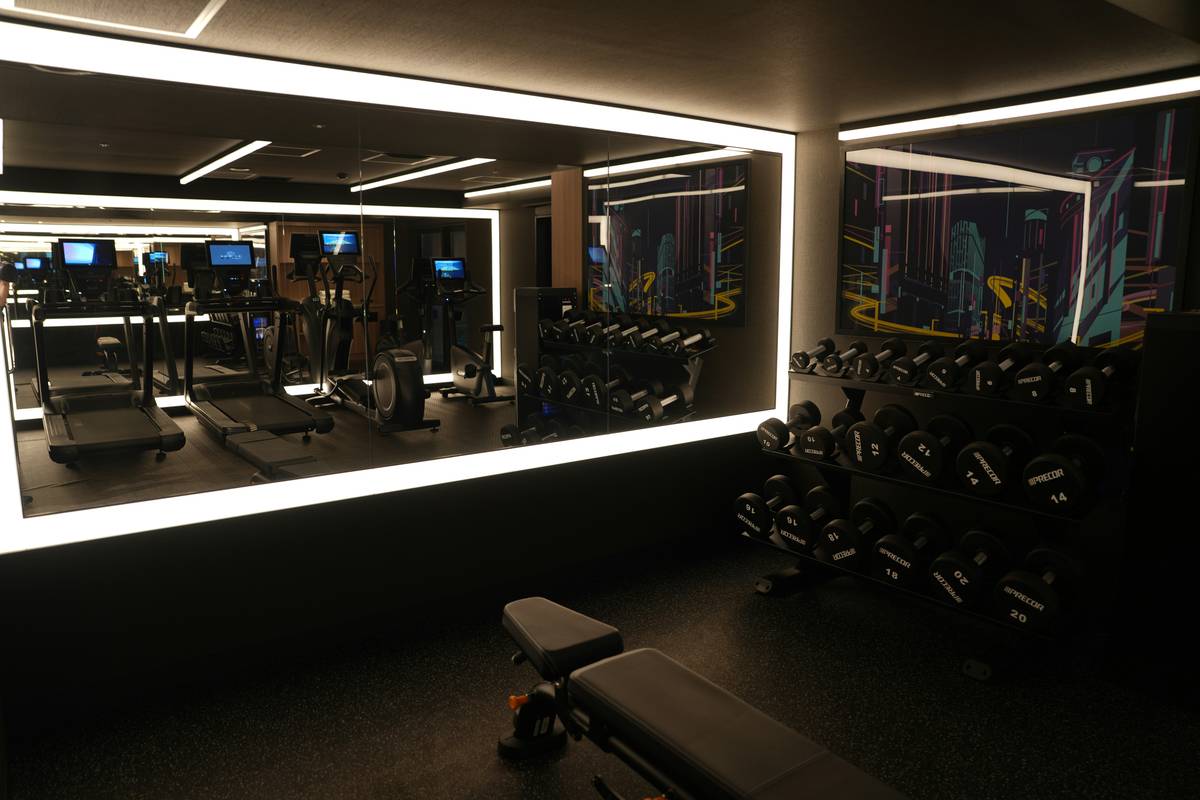
I made a rookie mistake years ago: I mounted my first smart mirror opposite a west-facing window. Glare turned every sunset workout into a squint-fest. Lesson? Placement isn’t just about square footage—it’s about light, sightlines, and daily flow. According to a National Institutes of Health study, proper environmental cues (like unobstructed views of oneself) significantly improve exercise adherence. Your mirror isn’t just hardware—it’s behavioral architecture.
Step-by-Step Guide to Choosing & Installing Your Mirror
1. Audit Your Space First
Measure twice: ensure at least 3 feet of clearance in front for movement. Check Wi-Fi signal strength—most mirrors stream 1080p video, demanding solid bandwidth.
2. Prioritize Form Over Features
Yes, AI rep-counting sounds cool. But if the frame clashes with your oak floors or farmhouse sink, you’ll resent it. Opt for neutral bezels (black, white, wood-grain) that complement existing Home Improvement choices.
3. Hardwire When Possible
Use an Ethernet adapter if your model allows it. Buffering mid-burpee kills motivation faster than sore muscles.
5 Best Practices for Daily Use (Without Burnout)
- Schedule micro-sessions: 10-minute workouts beat skipped hour-long ones. Sync with your calendar.
- Clean the screen weekly: Fingerprints distort motion tracking. Use microfiber + distilled water—never ammonia.
- Mute the mic post-workout: Many models listen for voice commands 24/7. Privacy first.
- Rotate content types: Mix yoga, HIIT, and strength to avoid boredom. Monotony is the #1 reason users quit.
- Never skip calibration: Re-run posture setup monthly. Your stance shifts with fatigue or injury.
Terrible tip alert: “Just leave it on all day for ambiance.” Nope. Ambient mode drains lifespan and hikes electricity bills. Turn it off like any other appliance.
Real Results: How One User Transformed Her Routine
Sarah K., a teacher from Portland, installed an exercise mirrors home gym unit after knee surgery limited her gym access. Initially skeptical (“Will I really use this?”), she committed to one rule: open the app before checking email each morning. Within 90 days, she averaged 4.2 workouts/week—up from near-zero pre-purchase. Her secret? She treated the mirror like furniture first, tech second: styled it with a woven rug and potted fiddle-leaf fig beside it. “It doesn’t scream ‘gym,’” she told us. “It whispers ‘move.’” Six months later, her pain scores dropped 60%, per her physical therapist’s notes. This isn’t magic—it’s design meeting discipline.
Frequently Asked Questions
Do exercise mirrors home gym systems work for beginners?
Absolutely. Most offer modifier cues and real-time feedback, making form correction accessible without personal trainers.
Can I use my smart mirror without a subscription?
Basic mirroring (i.e., reflective surface) works offline, but guided workouts require subscriptions. Always confirm pricing tiers before buying.
How much space do I really need?
Minimum 6’x6’ clear floor area. Ceiling height matters too—ensure you can raise arms fully overhead without hitting fixtures.
Are smart mirrors worth the cost?
If you’ll use it 3+ times weekly, yes. Compare its lifetime cost to gym memberships or trainer fees. For sporadic users, rent first.
Do these collect biometric data?
Some track heart rate via camera-based photoplethysmography (PPG). Review privacy settings and consult our Privacy Policy guidance.
Look, exercise mirrors home gym tech isn’t a fitness fairy godmother—it’s a tool. And like any tool, its value depends on the hand that wields it. Place it thoughtfully, use it consistently, and ignore the “set it and forget it” crowd. Ready to build a home gym that inspires, not collects dust? Contact us—we’ve helped hundreds choose wisely. (And if you’re curious how we stay unbiased, peek at our About Us page.)
Final thought: Your reflection lies neither in glass nor pixels—but in showing up, again and again.