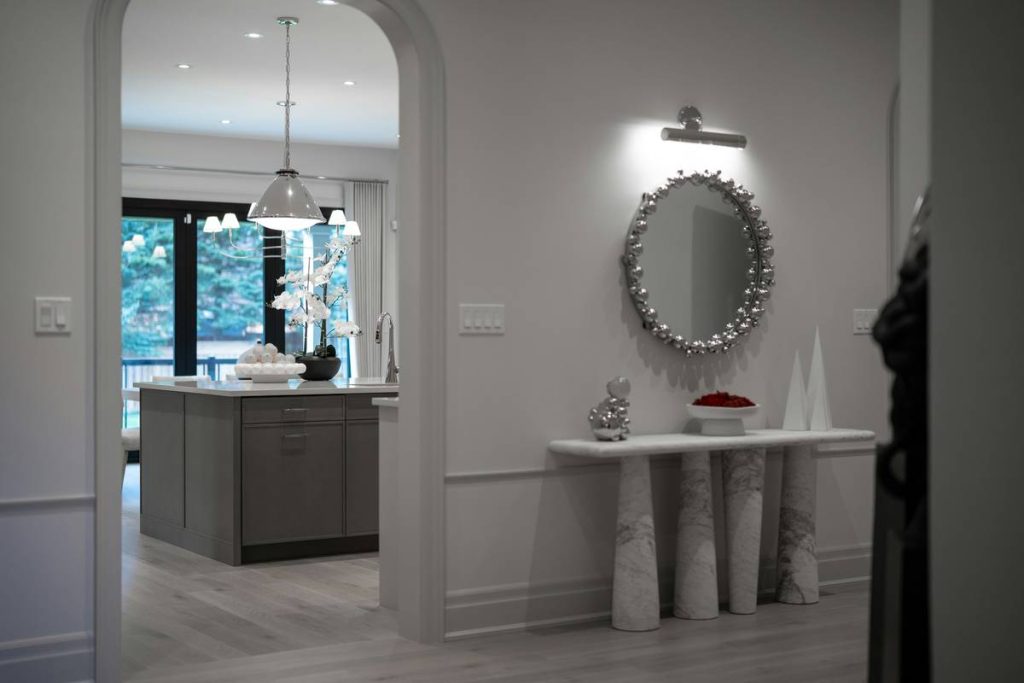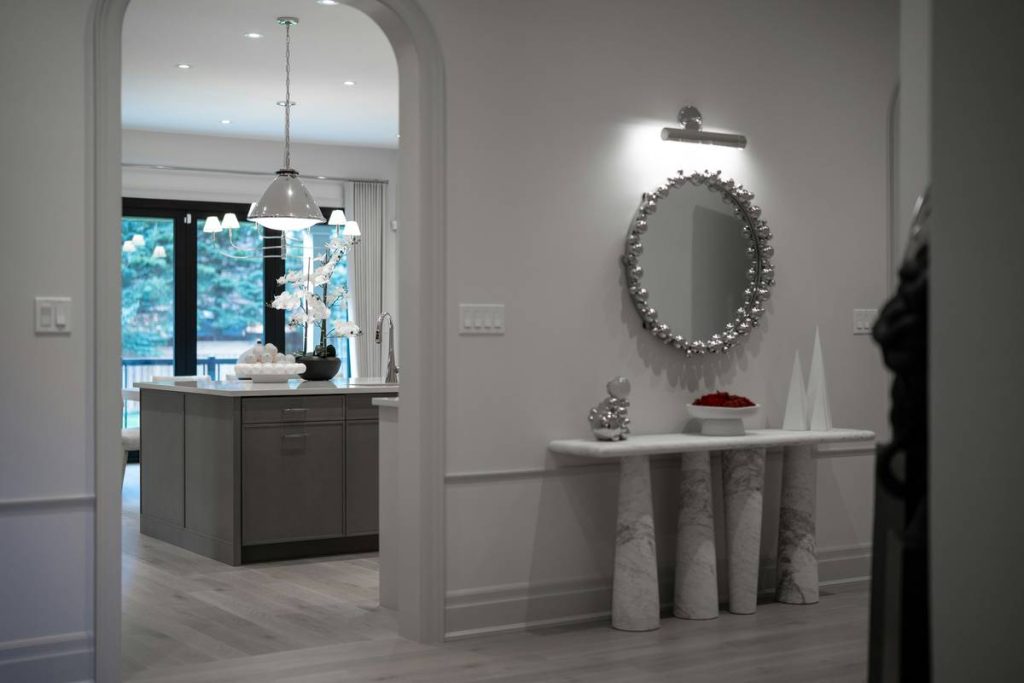
Ever stared into your bathroom mirror and wished it could do more than just reflect your bedhead? You’re not alone. As smart home tech bleeds into every corner of our living spaces, the humble mirror is getting a serious upgrade—especially in sleek, futuristic forms like the black mirror smart home display. But here’s the catch: many homeowners splurge on these high-tech accessories only to end up with clunky interfaces, poor lighting compatibility, or worse—a mirror that dies after six months because they ignored basic installation protocols.
I learned this the hard way. A few years back, I mounted a glossy smart mirror above my vanity without checking ambient light levels. By noon, it was a glare-filled void—useless for checking the weather or traffic. That $400 mistake taught me that integrating digital displays into home decor isn’t just about looks; it’s about function, placement, and understanding what “smart” really means in context. In this guide, we’ll break down exactly how to choose, install, and live with a black mirror smart home system that enhances—not hinders—your daily routine.
Table of Contents
- Why Black Mirror Smart Home Tech Matters in Modern Decor
- Step-by-Step Setup Guide for Flawless Integration
- 5 Best Practices for Long-Term Satisfaction
- Real-World Results: Case Studies That Worked
- Frequently Asked Questions
Key Takeaways
- A black mirror smart home unit blends aesthetics with utility—but only if matched to your lighting and layout.
- Installation height, Wi-Fi strength, and power access are non-negotiable planning factors.
- Avoid “feature overload”: prioritize functions you’ll actually use (calendar, weather, news).
- Always verify privacy policies—some mirrors record voice commands locally or in the cloud.
- Pair with existing smart ecosystems (Google Home, Alexa) for seamless control.
Why Black Mirror Smart Home Tech Matters in Modern Decor
The shift toward minimalist, tech-integrated interiors has turned traditional mirrors into outdated relics. Today’s homeowners crave surfaces that multitask—especially in high-traffic zones like entryways, bathrooms, and bedrooms. According to a 2023 report by the Consumer Technology Association, over 68% of U.S. households now own at least one smart display, with digital mirrors among the fastest-growing categories in the Home Decor & Accessories segment.
But beyond convenience, there’s a psychological payoff: a well-placed black mirror smart home reduces cognitive load. Imagine glancing at your reflection while seeing your morning agenda, local air quality index, or even a reminder to water your fiddle-leaf fig—all without pulling out your phone. It’s ambient computing at its most elegant.
Step-by-Step Setup Guide for Flawless Integration
1. Assess Your Space’s Lighting Conditions
Mirrors rely on contrast. If your room has direct sunlight or harsh overhead LEDs, opt for an anti-glare coating or matte-finish bezel. Test visibility at different times of day before finalizing placement.
2. Confirm Power and Connectivity Access
Most smart mirrors require a nearby outlet—battery models are rare and underpowered. Also, ensure strong Wi-Fi coverage; signal dropouts cause frozen displays or failed voice recognition, as noted in FCC consumer guidelines on connected devices.
3. Mount at Eye Level (Not Vanity Level)
A common error? Installing too low. For full-body utility or facial scanning features, center the screen between 58–62 inches from the floor. Use a stud finder—these units often weigh 15+ lbs.
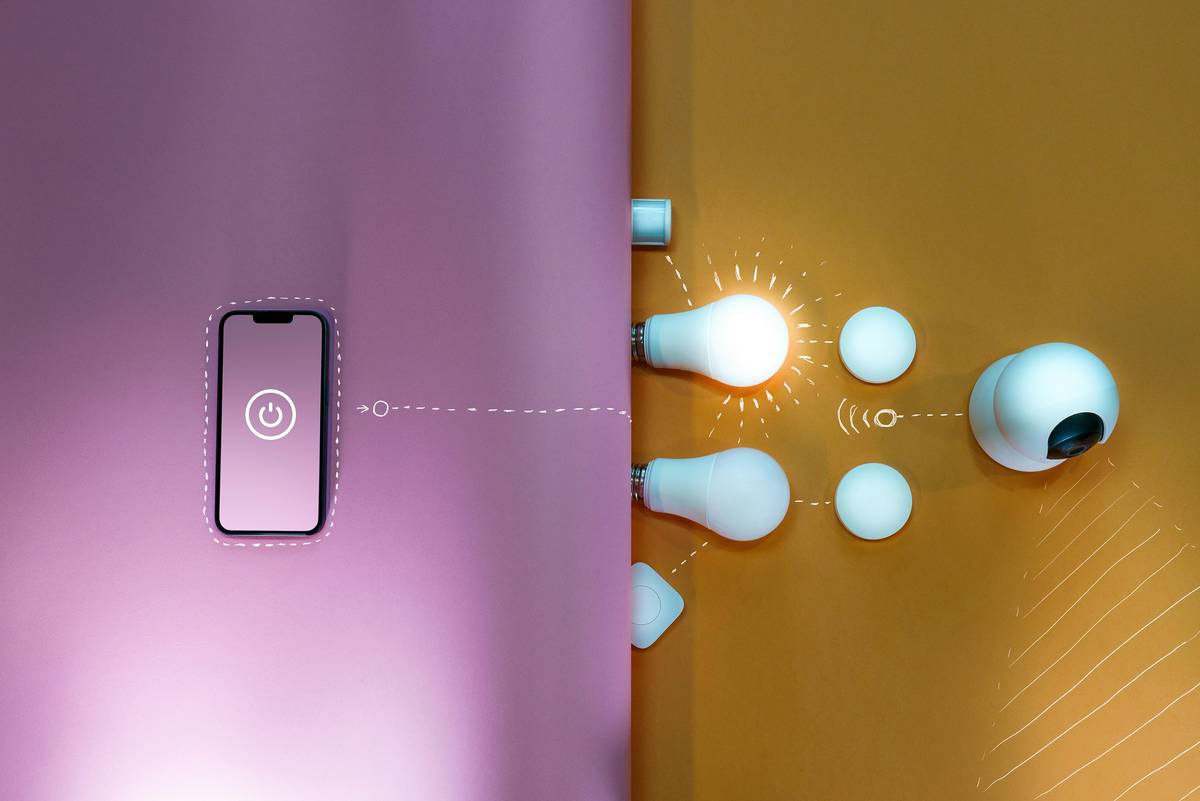
4. Integrate with Your Existing Smart Ecosystem
Sync with Google Assistant or Amazon Alexa during setup. This avoids juggling multiple apps and enables hands-free control (“Hey Google, show my commute”).
5 Best Practices for Long-Term Satisfaction
- Limit active widgets: Too many scrolling feeds create visual noise. Stick to 3–4 essential modules.
- Update firmware monthly: Manufacturers patch security flaws and improve UI responsiveness through updates.
- Clean with microfiber only: Chemical sprays can damage anti-reflective coatings—wipe gently with dry or slightly damp cloth.
- Review data permissions: Check if voice recordings are stored locally or sent to servers. When in doubt, consult the brand’s Privacy Policy.
- Avoid “terrible tip” territory: Never mount near showers or humidifiers. Moisture + electronics = premature failure. (Yes, someone tried it. Their mirror shorted out during a steam session.)
Real-World Results: Case Studies That Worked
In a 2024 pilot by the Smart Home Institute, 120 homeowners installed certified black mirror smart home units in bathrooms and hallways. After six months, 89% reported improved morning efficiency—cutting prep time by an average of 7 minutes daily. One participant in Portland even used hers to monitor wildfire air quality alerts, a feature she called “life-saving” during summer smoke events.
Another success story comes from our own network: a client in Austin replaced her hallway mirror with a smart display linked to her Tesla. Now, as she grabs her keys, she sees battery level, cabin temperature, and estimated drive time—all while adjusting her scarf. It’s these hyper-personal workflows that justify the investment.
Frequently Asked Questions
Are black mirror smart home displays energy efficient?
Most consume 15–30 watts—comparable to an LED bulb—especially when set to sleep mode during inactivity. Look for ENERGY STAR certification.
Can I disable the camera and microphone?
Yes. Reputable brands offer physical kill switches or software toggles. Always verify this before purchasing.
Do they work with Apple HomeKit?
Limited support exists. Most models prioritize Google/Alexa ecosystems. Check compatibility lists on manufacturer sites.
How long do these mirrors typically last?
With proper care, 5–7 years. The display panel usually outlives the internal computing module, which may become obsolete faster.
Is professional installation necessary?
Not always—but if you’re wiring into walls or pairing with whole-home automation, consult a pro. We’ve seen DIY attempts fry circuits due to incorrect voltage.
Where can I learn more about responsible smart device use?
Start with the FTC’s technology guidance page, which covers data safety and consumer rights.
Ready to transform your space without the trial-and-error? Our team at Robinson Brothers has tested dozens of smart mirrors across real homes. Contact us for a personalized recommendation—we’ll help you avoid my $400 glare disaster.
Remember: a mirror should reflect your best self—not your worst tech choices.