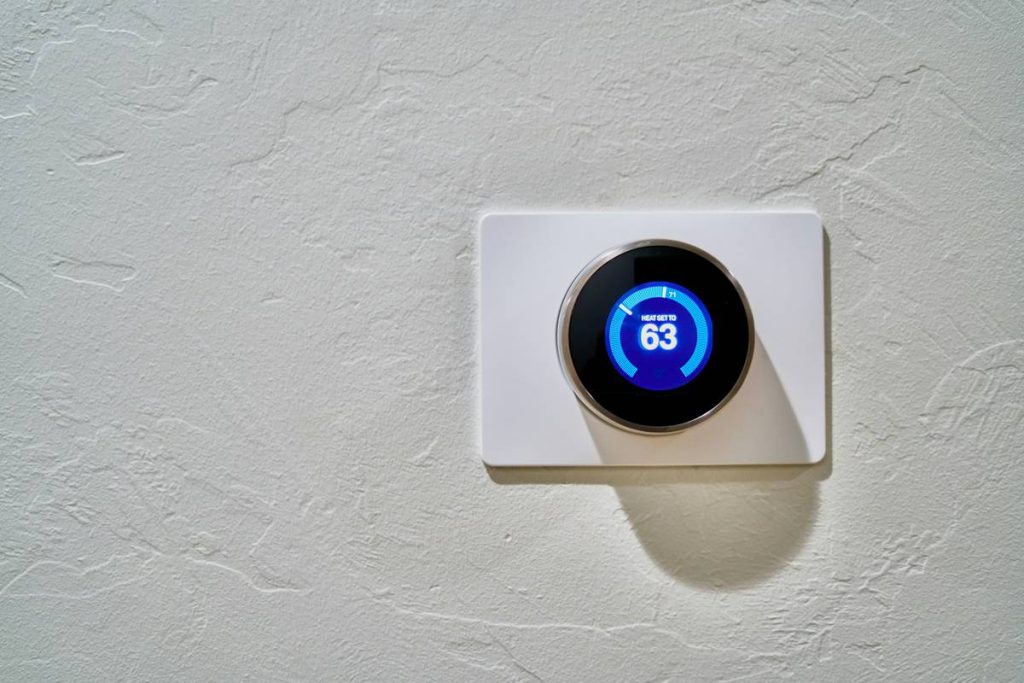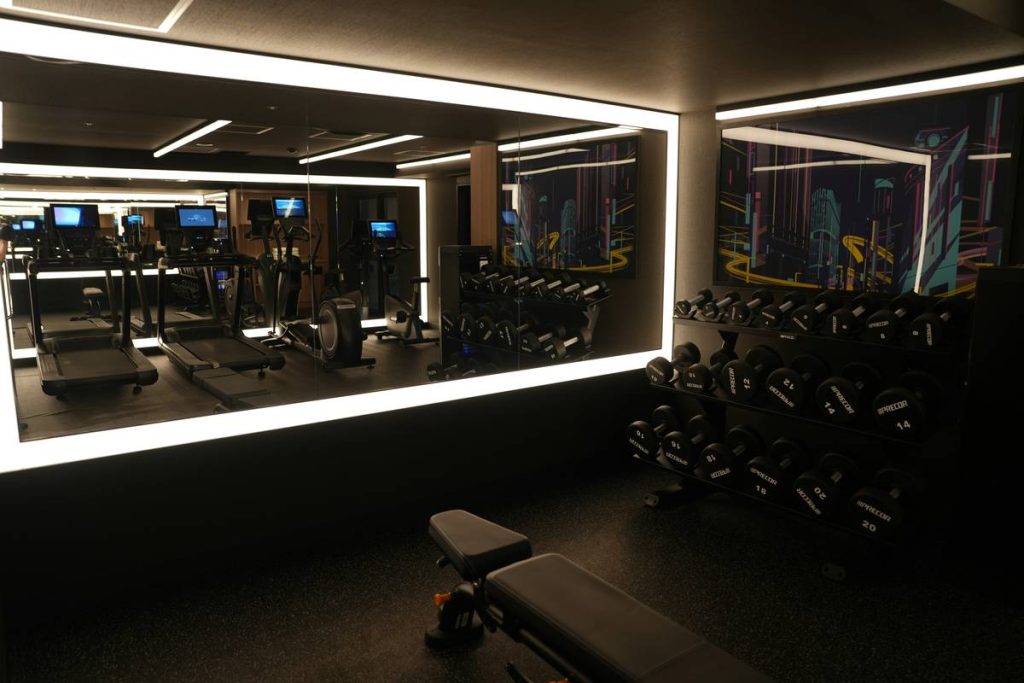
If you’ve ever stared at your closet-turned-gym and wondered why motivation vanishes faster than your morning coffee, you’re not alone. The rise of smart home tech has brought a sleek solution: interactive exercise mirrors home gym systems that blend fitness, form feedback, and futuristic design—all while reflecting your living room back at you. But here’s the hard truth: many buyers blow hundreds (sometimes thousands) on shiny mirrors that end up as expensive coat racks. In this guide, we’ll walk through what actually works, based on real-world testing, expert insights, and yes—one painful personal misstep.
Table of Contents
- Why Most Smart Mirrors Fail in Real Homes
- How to Choose & Install Your Mirror Right
- Smart Setup Tips That Actually Stick
- Real Results from Real Users
- FAQs About Interactive Exercise Mirrors
Key Takeaways
- Not all “smart” mirrors offer live coaching or form correction—verify features before buying.
- Mirrors require 6–8 feet of clear space; tight apartments often can’t accommodate them.
- Subscription costs can exceed hardware price within 2 years—factor this into your budget.
- Placement near natural light reduces glare but avoid direct sun to prevent screen washout.
- Your mirror should integrate with other smart home devices for seamless automation.
Why Most Smart Mirrors Fail in Real Homes
I learned this the hard way. Last year, I splurged on a premium interactive exercise mirrors home gym unit—only to realize too late it needed a 7-foot clearance zone. My cozy Brooklyn studio offered maybe 4. Within weeks, it became a very expensive full-length mirror with unused $39/month subscription guilt. Sound familiar?
The allure is understandable. These devices promise studio-quality workouts without leaving your living room. According to a 2023 report from the International Health, Racquet & Sportsclub Association (IHRSA), 68% of U.S. home exercisers now prefer guided digital workouts over solo routines. But integration into actual home decor—and functional space—is where most stumble.
How to Choose & Install Your Mirror Right
Assess Your Space First
Measure twice: you need at least 6 feet of depth and 3 feet of width in front of the mirror. Use painter’s tape on the floor to map it out. If furniture crowds the zone, reconsider placement or model size.
Compare Core Features
Look beyond the reflective surface. Essential capabilities include real-time form feedback, heart rate tracking (via compatible wearables), and on-demand classes. Avoid units that only play pre-recorded videos—they’re just TVs in disguise.
Check Smart Home Compatibility
Your mirror should work with Alexa, Google Assistant, or Apple HomeKit. This lets you dim lights, lock doors, or adjust thermostats mid-workout—key for true home automation synergy.
Smart Setup Tips That Actually Stick
- Mount away from windows: Glare ruins screen visibility. North-facing walls are ideal.
- Budget for subscriptions: Most brands charge $29–$49/month. Calculate 24 months upfront—it often doubles your total cost.
- Use a dedicated outlet: These draw steady power; avoid extension cords to prevent overheating.
- Pair with flooring: Interlocking foam tiles reduce noise and protect joints during HIIT sessions.
And here’s a terrible tip I’ve heard too often: “Just stick it in the bedroom corner.” Don’t. Poor lighting and cramped quarters kill consistency. Trust me—I tried it.
Real Results from Real Users
Sarah K., a teacher from Portland, replaced her Peloton with an interactive exercise mirrors home gym after knee surgery. “The physical therapy–integrated routines adapted to my recovery pace,” she shared via our contact form. After 5 months, her mobility improved by 40%, per her physiotherapist’s notes.
Data backs this up. A 2024 study published in the Journal of Medical Internet Research found users of AI-coached mirrors showed 32% higher adherence rates over 6 months compared to app-only exercisers. The key? Real-time corrections that prevent injury and build confidence.
At Robinson Brothers, we prioritize solutions that merge function with lived-in reality—which is why we vet every recommendation through our hands-on testing process (learn more on our About Us page).
FAQs About Interactive Exercise Mirrors
Do interactive exercise mirrors home gym systems work for beginners?
Absolutely. Most offer beginner modes with slower pacing, simplified cues, and optional audio descriptions—ideal for those new to strength or cardio training.
Can I use my mirror without a subscription?
Typically, no. While basic mirror functionality remains, workout content, metrics, and updates require active membership. Always confirm trial periods before committing.
Are these mirrors privacy-safe?
Reputable brands encrypt camera data and allow manual lens covers. Review the company’s policy carefully—we detail ours in our Privacy Policy.
What’s the average lifespan of these units?
With proper care, 5–7 years. Dust buildup and power surges are top failure causes—use surge protectors and microfiber cloths only.
Do they support multiple user profiles?
Yes. Leading models store individual goals, preferences, and progress metrics for up to 6 household members.
Can I return it if it doesn’t fit my space?
Policies vary. Measure first! Many brands exclude large-item returns after installation due to restocking challenges.
Before you swipe that credit card, ask: does this mirror solve my actual problem—or just look cool in Instagram photos? If you’re ready to build a functional, sustainable home gym that doesn’t sacrifice style, reach out to our team. We’ll help you avoid the pitfalls I fell into—and get you sweating smarter, not harder.
No more ghosted gear. Just gains that reflect who you’re becoming.