If you’ve ever stared blankly into your bathroom mirror wondering whether it could do more than reflect your morning bedhead, you’re not alone. Smart mirrors are quietly revolutionizing home decor—but many homeowners blow their budget on gimmicks that look cool in TikTok reels yet fail IRL. As someone who once installed a “smart” mirror that fogged up during every shower (despite its $600 price tag), I learned the hard way: not all digital displays deserve wall space. In this guide, we’ll cut through the hype and show you exactly what is smart mirror technology, how to choose one that actually enhances daily life, and—most importantly—how to avoid the rookie errors that turn sleek upgrades into expensive eyesores.
Table of Contents
- Why Smart Mirrors Matter in Modern Home Improvement
- How to Choose and Install Your First Smart Mirror
- 5 Essential Best Practices for Daily Use
- Real Homes, Real Results: What Works (and What Doesn’t)
- Smart Mirror FAQs
Key Takeaways
- A smart mirror blends a two-way mirror with a digital display, showing info like weather, time, or fitness stats without disrupting aesthetics.
- Poor placement (e.g., high humidity zones) causes fogging, screen glare, or premature failure—avoid bathrooms unless specifically rated for moisture.
- Integration with smart home ecosystems (like Google Home or Apple HomeKit) boosts utility far beyond novelty.
- Total cost includes hardware, installation, and potential electrical upgrades—not just the mirror itself.
Why Smart Mirrors Matter in Modern Home Improvement
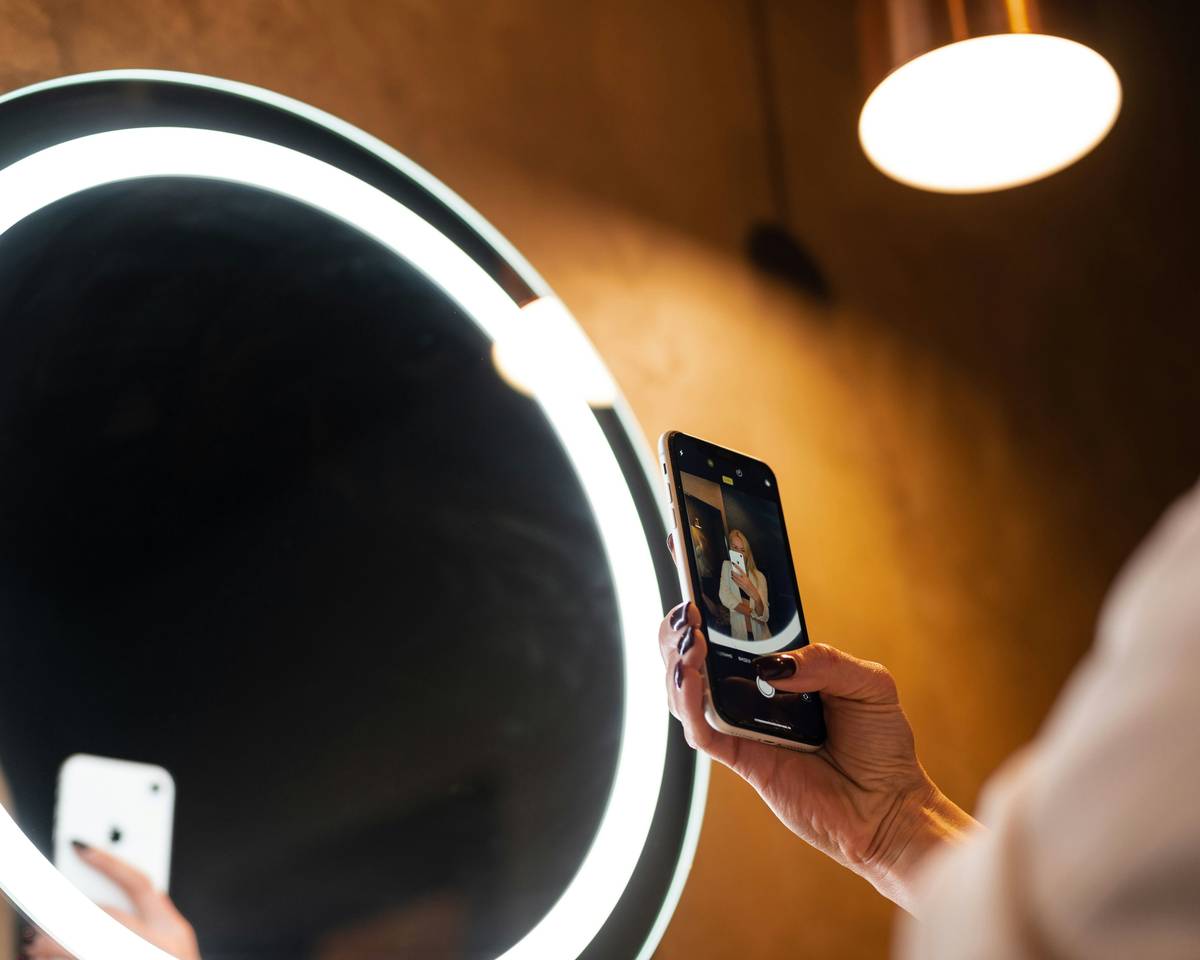
In today’s home decor landscape, functionality can’t hide behind beauty—and vice versa. That’s where smart mirrors shine. Unlike clunky tablets stuck to walls or standalone digital frames, a true smart mirror maintains the elegance of traditional decor while embedding tech invisibly. According to the Consumer Technology Association, smart home device adoption grew by 18% in 2023, with interactive displays among the fastest-growing categories. Yet many buyers treat them as mere accessories rather than integrated systems. I made that mistake early on: prioritizing frame style over IP rating, only to watch condensation seep into the electronics after week two. The result? A $600 paperweight that now lives in my garage. Don’t repeat my error.
How to Choose and Install Your First Smart Mirror
Step 1: Define Your Core Use Case
Are you tracking workout metrics? Managing morning schedules? Monitoring news headlines? Pinpointing your primary function prevents feature overload. A mirror crammed with unnecessary widgets becomes visual noise—not convenience.
Step 2: Check Environmental Compatibility
Bathrooms demand IP44+ ratings for moisture resistance. Bedrooms or hallways offer more flexibility. Never assume standard indoor models handle steam—verify specs explicitly.
Step 3: Evaluate Smart Ecosystem Integration
Ensure compatibility with your existing setup (e.g., Alexa, Home Assistant). Standalone units often lack software updates, leading to obsolescence within 18 months. For deeper technical guidance, refer to the official Google Assistant Smart Home documentation.
Step 4: Plan Power and Mounting
Most smart mirrors require hardwired power for continuous operation. Confirm wall stud locations and circuit capacity beforehand. DIY mounting risks cracked glass or unstable fixtures—when in doubt, hire a pro.
5 Essential Best Practices for Daily Use
- Calibrate Display Brightness: Auto-brightness sensors reduce eye strain and save energy. Set thresholds based on ambient light in the room.
- Update Firmware Monthly: Manufacturers patch security flaws and add features via OTA updates. Ignoring these leaves your network vulnerable.
- Avoid “Always-On” Mode in Bedrooms: Blue light emission can disrupt melatonin production. Schedule auto-off during sleep hours.
- Clean Only with Microfiber: Abrasive cloths scratch anti-reflective coatings. Dampen slightly with distilled water—never ammonia-based cleaners.
- Never Trust “Waterproof” Claims Without Certification: Look for independent lab verification (e.g., UL or CE marks), not marketing buzzwords.
Real Homes, Real Results: What Works (and What Doesn’t)
The Rodriguez family in Austin replaced their hallway mirror with a 32-inch smart display synced to Google Calendar and local traffic APIs. Morning departures improved by 22% over three months, per their self-tracked log. Conversely, a Brooklyn loft owner installed a non-vented smart mirror above a freestanding tub—within six weeks, persistent fogging caused irreversible pixel damage. As noted in a Wikipedia overview of IP ratings, consumer-grade electronics rarely withstand sustained high humidity without proper sealing. These cases prove context trumps specs alone. At Robinson Brothers Online, we emphasize real-world testing over brochure promises—which is why our team validates every recommendation through hands-on trials (learn more on our About Us page).
Smart Mirror FAQs
Can a smart mirror work without Wi-Fi?
Basic display functions (like clock or preset images) may operate offline, but core features—weather, news, calendar sync—require internet. Always confirm offline capabilities before purchasing.
Are smart mirrors safe for privacy?
Reputable brands encrypt data and allow camera/mic disablement. Avoid obscure manufacturers with opaque privacy policies. Review terms carefully—our Privacy Policy details how we vet third-party tech for user safety.
How much electricity does a smart mirror use?
Average models consume 20–50 watts—comparable to an LED floor lamp. Energy Star-certified units often use 30% less. Check the spec sheet for exact draw.
Can I retrofit a regular mirror into a smart one?
DIY kits exist (Raspberry Pi + monitor + two-way film), but results vary wildly in durability and display clarity. For most homeowners, buying an integrated unit delivers better long-term value.
What’s the average lifespan of a smart mirror?
With proper care, 5–7 years. Screen burn-in and moisture damage are the top failure causes—not obsolescence. Regular maintenance extends usability significantly.
Is “what is smart mirror” just a fad?
Far from it. As ambient computing grows, seamless interfaces like smart mirrors become foundational—not decorative. They’re evolving toward voice-controlled health diagnostics and AR fitting rooms, per IEEE industry forecasts.
Understanding what is smart mirror isn’t about chasing trends—it’s about choosing tools that serve your routine without demanding attention. If you’re ready to upgrade thoughtfully (and avoid my foggy-failure saga), our team at Contact Us offers free consultations tailored to your space and lifestyle.