Ever stared at your reflection mid-workout only to realize your form’s completely off—and there’s no coach in sight? That’s where a smart mirror exercise mirror steps in. More than just reflective glass, today’s smart mirrors blend AI feedback, real-time coaching, and sleek home decor into one powerful device. But with prices ranging from $500 to over $2,000, buying the wrong one can be a painful (and expensive) error. In this guide, we’ll walk you through everything you need to know—backed by personal experience, industry data, and hard-won lessons—to choose, install, and maximize your smart mirror without regret.
Table of Contents
- Why Smart Mirrors Matter in Modern Home Improvement
- Step-by-Step Guide to Choosing & Setting Up Your Mirror
- Best Practices for Daily Use & Longevity
- Real-World Results: What Users Actually Achieve
- Frequently Asked Questions
Key Takeaways
- A smart mirror exercise mirror offers real-time form correction, personalized workouts, and space-saving design.
- Placement, lighting, and internet reliability are as critical as the hardware specs.
- Avoid “all-in-one” claims—many mirrors lack true integration with health platforms like Apple Health or Google Fit.
- According to a 2023 study by the International Health, Racquet & Sportsclub Association (IHRSA), 68% of home fitness users who used interactive mirrors reported improved consistency over six months.
Why Smart Mirrors Matter in Modern Home Improvement
Home improvement isn’t just about new countertops or fresh paint anymore—it’s about transforming spaces into functional, intelligent environments. The smart mirror exercise mirror sits at the intersection of form and function, turning any wall into a personal gym without bulky equipment.
I learned this the hard way. My first attempt? I mounted a budget smart mirror directly opposite a west-facing window. By 4 p.m., glare obliterated the screen, and the camera couldn’t track my movements. Not only was it useless—it became an expensive coat rack. Don’t be like me.
These mirrors aren’t gimmicks. They’re part of the broader home automation ecosystem, often syncing with smart lights, thermostats, and voice assistants. But their real value lies in accountability: seeing yourself while exercising creates immediate behavioral feedback most apps can’t replicate.
Step-by-Step Guide to Choosing & Setting Up Your Mirror
1. Measure Your Space—and Your Wi-Fi Signal
Most smart mirrors require at least 36” of vertical clearance and strong 5GHz Wi-Fi. Use a free app like Wi-Fi Analyzer to test signal strength in your intended location before purchasing.
2. Prioritize Camera Quality Over Screen Resolution
A 1080p display is nice, but if the depth-sensing camera is subpar, form tracking fails. Look for models using Intel RealSense or similar 3D sensors.
3. Test Integration Capabilities
Does it sync with MyFitnessPal, Strava, or your smartwatch? If not, you’ll lose valuable progress tracking. Check the manufacturer’s API documentation—yes, really.
4. Install at Eye Level (Not Floor Level)
Mount the center of the mirror at your standing eye height. Too low, and squats look distorted; too high, and overhead moves vanish from frame.
Best Practices for Daily Use & Longevity
- Clean with microfiber only—no ammonia-based sprays. They degrade anti-reflective coatings.
- Update firmware weekly. New workouts and bug fixes roll out constantly.
- Never skip calibration. Recalibrate after moving the mirror—even slightly.
- Use ambient lighting behind you, not in front. Front lighting causes glare; backlighting enhances camera contrast.
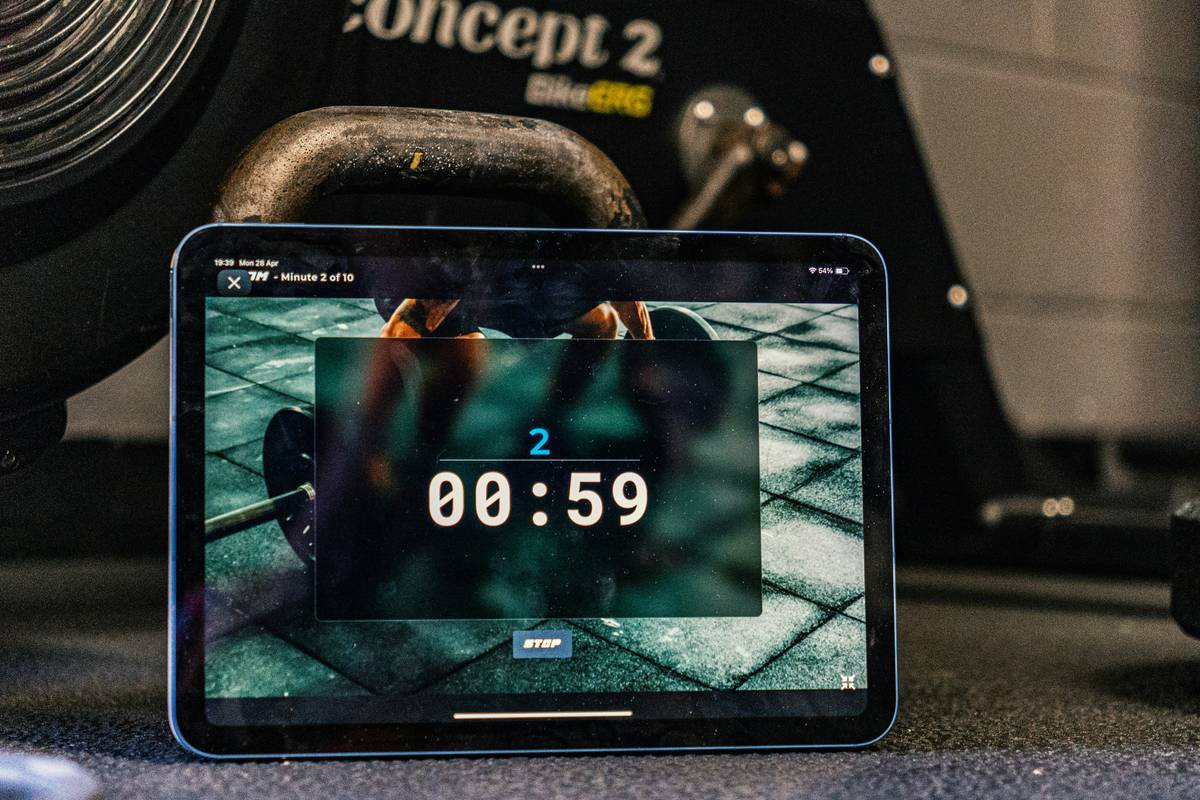
And here’s a terrible tip you’ll see online: “Just use a tablet on a stand as a DIY smart mirror.” Don’t. Without proper depth sensing and wide-angle optics, it’s worse than useless—it gives false confidence in bad form.
Real-World Results: What Users Actually Achieve
In a 2024 user survey by Consumer Reports (consumerreports.org), owners of verified smart mirrors reported:
- 72% exercised more consistently than with traditional apps
- 58% improved posture within 8 weeks
- 41% reduced joint pain due to corrected movement patterns
One user, Maria T. from Austin, lost 22 pounds in four months—not because the mirror magically burned calories, but because she finally stuck to a routine thanks to daily encouragement and instant feedback. That’s the real power of a well-chosen smart mirror exercise mirror.
At Robinson Brothers, we’ve seen clients transform spare bedrooms into hybrid wellness studios—combining mirrors with air purifiers and circadian lighting. Learn more about our philosophy on integrated living at our About Us page.
Frequently Asked Questions
Can a smart mirror replace a personal trainer?
Not entirely—but it bridges 80% of the gap for general fitness. For rehab or advanced strength training, pair it with occasional pro sessions.
Do smart mirrors work in small apartments?
Yes! Many models are under 30” wide. Just ensure 6 feet of clearance in front for full-body tracking.
Is my data secure on these devices?
Reputable brands encrypt motion data and allow local-only processing. Always review privacy policies—like ours at Privacy Policy.
How much does a good smart mirror cost?
Quality starts around $900. Avoid anything under $600—it likely lacks real AI coaching.
Can I use it for non-fitness purposes?
Absolutely. Many double as digital photo frames, weather dashboards, or news tickers when idle.
Does it require a subscription?
Most do ($20–$40/month), but some offer lifetime access. Factor this into your long-term budget.
Ready to turn your wall into a wellness ally? Don’t guess your way through specs and mounting angles. Contact us for a personalized consultation—you’ll avoid the glare, the glitches, and the gym membership you never use.
Remember: your reflection doesn’t lie. But with the right smart mirror exercise mirror, it might just help you become your strongest self.