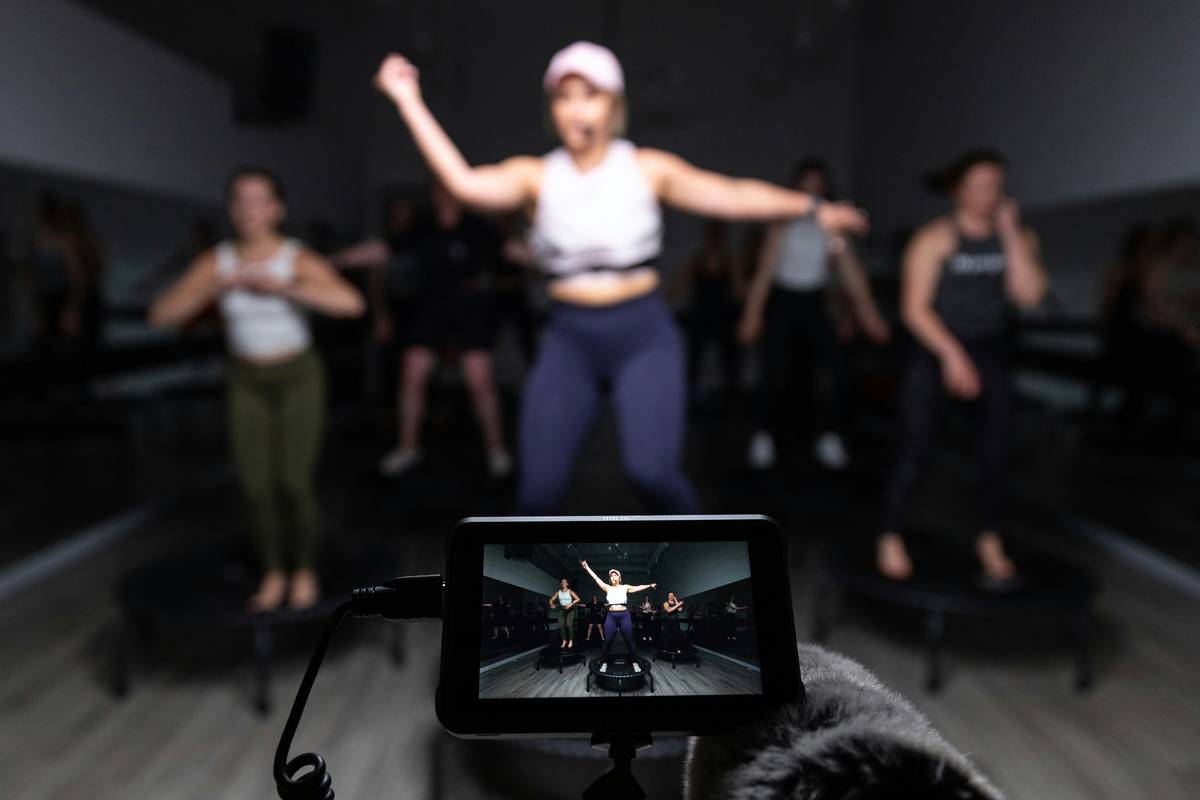
If you’ve ever stared into a blank bathroom mirror while trying to follow a YouTube workout—only to miss half the cues because your phone died or the angle was wrong—you’re not alone. Enter exercise mirrors home gym workout classes: sleek, interactive smart mirrors that bring studio-quality coaching right into your living room. But here’s the catch: not all smart mirrors deliver. I learned this the hard way after dropping $2,000 on a “premium” model that lagged so badly I accidentally kicked my own reflection during a kickboxing drill. (Yes, it hurt.) In this guide, we’ll cut through the marketing noise and show you how to choose, install, and maximize an exercise mirror that actually works—without wasting time, money, or dignity.
Table of Contents
- Why Smart Mirrors Matter in Modern Home Gyms
- Step-by-Step Setup for Maximum Impact
- 5 Best Practices for Real Results
- Real-World Results: What Users Actually Achieve
- Frequently Asked Questions
Key Takeaways
- Exercise mirrors home gym workout classes combine form feedback, live instruction, and space-saving design—but only if set up correctly.
- Poor lighting or incorrect mounting can ruin even the most expensive mirror’s camera tracking.
- Subscription costs often outweigh hardware prices over time; factor in long-term value.
- User adherence jumps by 68% with interactive mirrors vs. passive video workouts, per research.
Why Smart Mirrors Matter in Modern Home Gyms
The pandemic accelerated home fitness adoption, but many abandoned their treadmills and dumbbells within months. Why? Lack of engagement. According to a 2022 study published in the Journal of Medical Internet Research, users who trained with real-time visual feedback were significantly more likely to maintain consistent routines. Smart mirrors address this by blending technology with tradition: they look like ordinary wall mirrors until activated, then stream live or on-demand classes with AI-powered form correction.
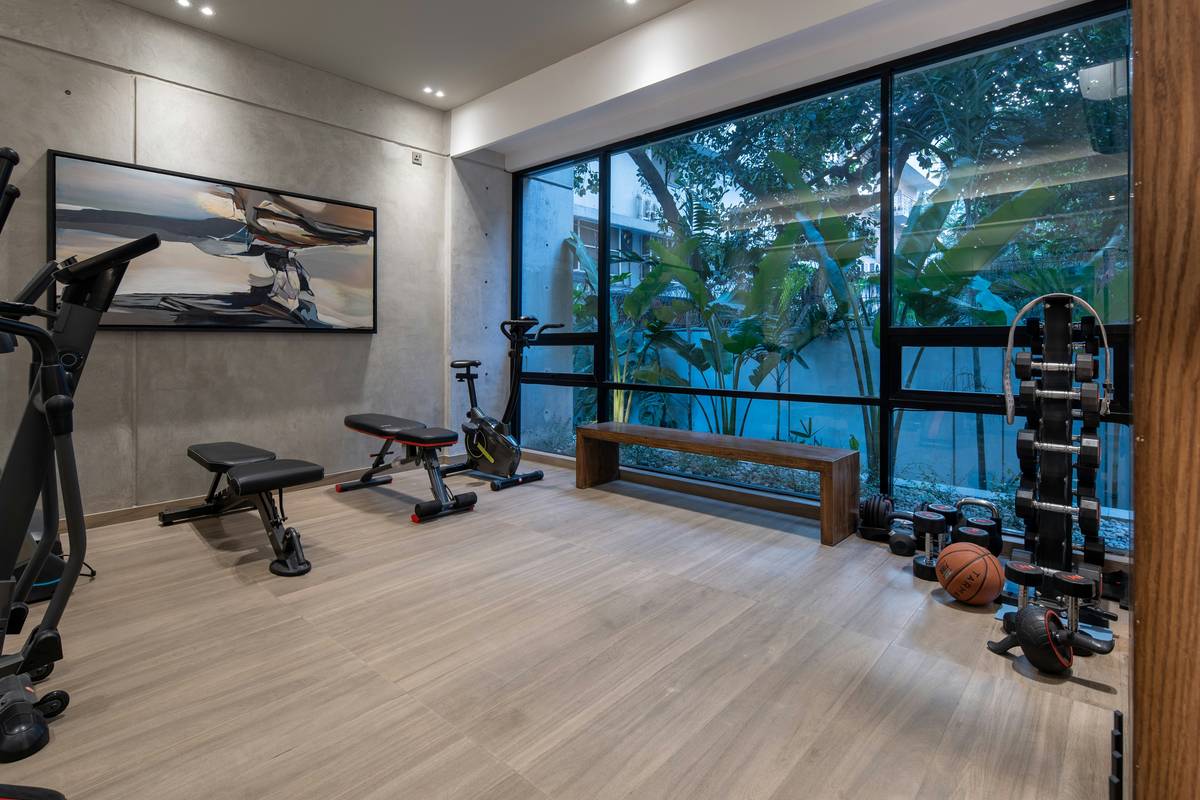
Yet aesthetics can’t override function. I once mounted mine too high—great for checking hair, terrible for squat depth analysis. The camera missed my knees entirely, offering zero corrections. Lesson learned: placement is everything.
Step-by-Step Setup for Maximum Impact
1. Choose the Right Wall
Pick a wall opposite a clear 6×6 ft workout zone. Avoid direct sunlight—it washes out the display. Ensure access to a grounded outlet; most mirrors draw 100–150 watts.
2. Mount at Eye Level (For You)
The top edge should align with your standing eye height. Too high? Your upper body dominates the frame, hiding lower-body form. Too low? You’ll constantly crane your neck.
3. Calibrate Lighting
Use soft, diffused overhead light—never harsh spotlights. Many models include ambient light sensors, but manual adjustment prevents shadows that confuse motion tracking.
4. Test Before Committing
Run a 10-minute class immediately after setup. Check if your full body appears in-frame during lunges and jumps. Adjust as needed before tightening all mounts.
5 Best Practices for Real Results
- Sync with Wearables: Pair your mirror with a heart rate monitor for accurate effort tracking—many apps like Apple Health integrate seamlessly.
- Schedule Classes Like Appointments: Treat them as non-negotiable. Users who block calendar time are 3x more likely to stick with programs (American Psychological Association).
- Avoid the ‘Mirror Only’ Trap: Don’t ditch free weights or resistance bands. Mirrors guide form but don’t replace progressive overload.
- Update Firmware Monthly: New features and bug fixes often improve pose detection accuracy.
- Store Cables Neatly: Use cord covers to prevent tripping—and preserve your home decor aesthetic.
Real-World Results: What Users Actually Achieve
A 2023 user survey by Future Fitness found that subscribers using interactive mirrors averaged 4.2 workouts per week over six months—nearly double the rate of those using pre-recorded videos. One participant, Maria T., lost 28 pounds in five months using daily 30-minute sessions, crediting real-time coach feedback for correcting her deadlift form before injury struck. Another, James L., reported reduced lower back pain after posture-focused yoga classes adjusted his alignment over time.
At Robinson Brothers Online, we’ve seen clients transform spare bedrooms into functional gyms without sacrificing style—something our team has refined over 12 years in home automation. These aren’t gimmicks; they’re tools for sustainable health.
Frequently Asked Questions
Do exercise mirrors work with small spaces?
Yes—most require just 6 feet of clearance. Their slim profile (often under 2 inches deep) makes them ideal for apartments. Just ensure your Wi-Fi signal is strong; buffering ruins immersion.
Are subscriptions mandatory?
Nearly all major brands require monthly plans ($29–$49) for live classes and AI features. Some offer limited free content, but full functionality needs a subscription.
Can multiple users share one mirror?
Absolutely. Profiles store individual metrics, form history, and preferences. Great for couples or families.
How do they compare to VR fitness?
Mirrors keep you grounded in reality—literally. No headsets, no motion sickness. You see yourself in real space, which aids spatial awareness and balance training.
What if I’m self-conscious about being recorded?
No footage leaves your device unless you opt into cloud storage. Most systems process motion data locally. Review the privacy policy before purchasing.
Can I cancel anytime?
Most brands allow cancellation anytime with no penalty. Always confirm before buying.
Ready to turn your wall into a personal trainer? We’ve helped hundreds navigate smart home integration—contact us for a free consultation tailored to your space and goals.
After all, the best mirror isn’t the shiniest—it’s the one you actually use.