If you’ve ever stood in front of your bathroom mirror wondering why it can’t tell you the weather or today’s agenda, you’re not alone. The rise of smart mirrors has turned passive reflections into interactive command centers—but getting it right takes more than just slapping a screen behind glass. As someone who once fried a Raspberry Pi trying to DIY a fog-free display (yes, steam is a silent killer), I’ve learned the hard way what works and what wastes both time and money.
This guide cuts through the hype with actionable steps, real-world examples, and honest pitfalls to dodge when bringing home automation smart mirror how to life in your space. Whether you’re upgrading your morning routine or future-proofing your home office, you’ll find everything you need below—including exactly where to mount it so your reflection doesn’t look like a glitchy hologram from a sci-fi B-movie.
Table of Contents
- Why Smart Mirrors Are More Than Just a Gimmick
- Your Step-by-Step Smart Mirror Setup Plan
- Pro Tips (and One Terrible Idea to Skip)
- Real Homes, Real Results
- Frequently Asked Questions
Key Takeaways
- A true smart mirror integrates seamlessly with existing home automation systems—don’t bolt on tech that won’t talk to your lights or thermostat.
- Placement matters more than specs: avoid high-humidity zones unless your unit is rated for it.
- Use open-source platforms like MagicMirror² for customization without vendor lock-in.
- Always test voice assistant compatibility before mounting permanently.
- Privacy isn’t optional—ensure local data processing if you’re uncomfortable with cloud storage.
Why Smart Mirrors Are More Than Just a Gimmick
In the crowded world of home decor accessories, smart mirrors stand out by merging utility with aesthetics. Unlike static artwork or ordinary mirrors, they deliver real-time data—calendar events, traffic updates, news headlines—without demanding your attention like a phone notification. According to a 2023 report by Statista, the global smart mirror market is projected to reach $4.2 billion by 2027, driven largely by demand for integrated smart home experiences.
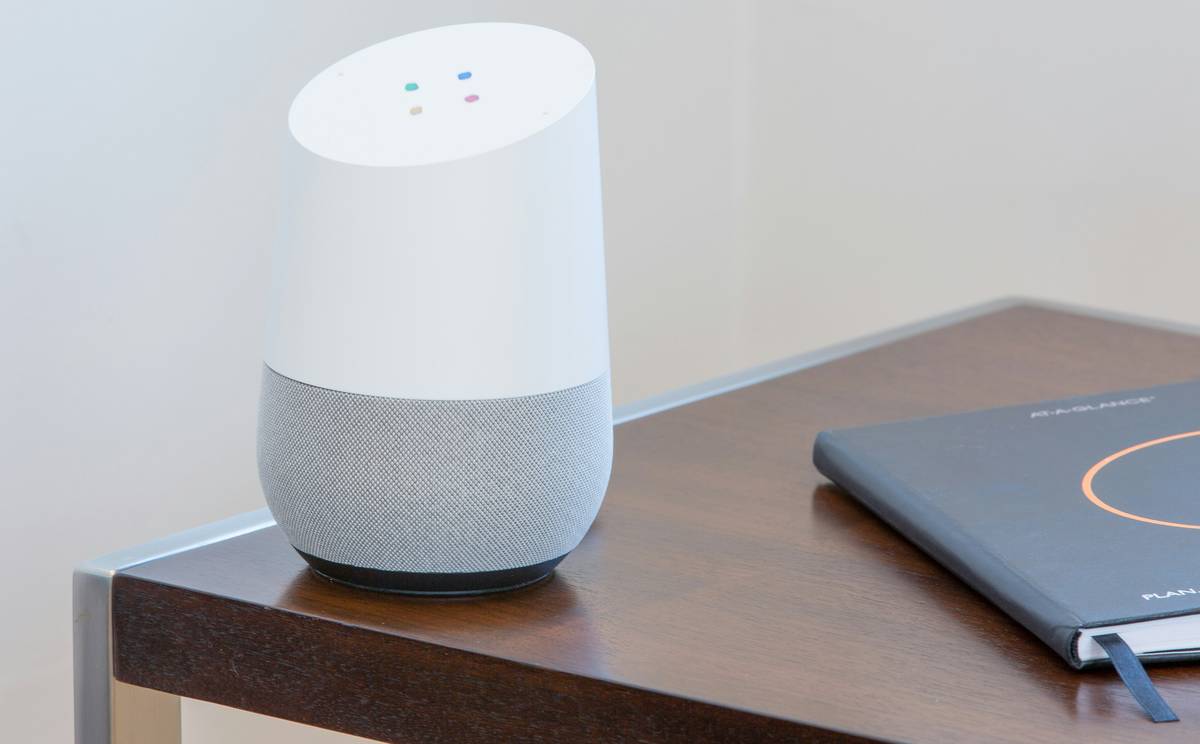
Yet many early adopters end up disappointed. Why? Because they treat it as a standalone gadget rather than part of a cohesive home automation ecosystem. I made this mistake myself: I installed a basic touchscreen mirror in my entryway, only to realize it couldn’t sync with my Google Home setup. The result? A shiny paperweight that showed yesterday’s weather forecast every single day.
Your Step-by-Step Smart Mirror Setup Plan
1. Define Your Core Use Case
Ask: “What do I actually need this mirror to do?” Morning prep? Fitness tracking? Ambient lighting control? Focus on 2–3 primary functions. Overloading leads to cluttered interfaces and slower performance.
2. Choose Between DIY and Pre-Built
Pre-built units (like those from Capstone Connected or Evervue) offer plug-and-play convenience but limited customization. DIY options using a Raspberry Pi and two-way mirror film, powered by MagicMirror² (an open-source platform), give full control—and cost under $200 if you’re handy. For beginners, I recommend starting with a pre-integrated kit.
3. Integrate With Your Existing System
Ensure compatibility with your smart home hub (Alexa, Google Assistant, Apple HomeKit). Most quality mirrors support at least one major platform. Test voice commands before final installation—nothing’s worse than shouting “Hey Google” at a silent pane of glass.
4. Install in the Right Location
Avoid bathrooms with poor ventilation unless the mirror is IP-rated for moisture resistance. Optimal spots include bedrooms, hallways, or walk-in closets. Mount at eye level (roughly 58–60 inches from floor to center) for best ergonomics.
Pro Tips (and One Terrible Idea to Skip)
- Update firmware routinely: Security patches prevent exploits—many smart devices get abandoned by manufacturers after 18 months.
- Use ambient light sensors: Auto-brightness prevents blinding glares at 6 a.m.
- Disable unnecessary widgets: Less is more. A clean interface = faster response times.
- 🚫 Terrible tip alert: “Just hide your router behind the mirror for better Wi-Fi.” This causes signal degradation and overheating. Don’t do it.
And while we’re ranting: why do so many decor brands sell “smart” mirrors that only play Bluetooth audio? If it doesn’t display contextual information, it’s just a speaker with reflective paint—not true home automation smart mirror how to functionality.
Real Homes, Real Results
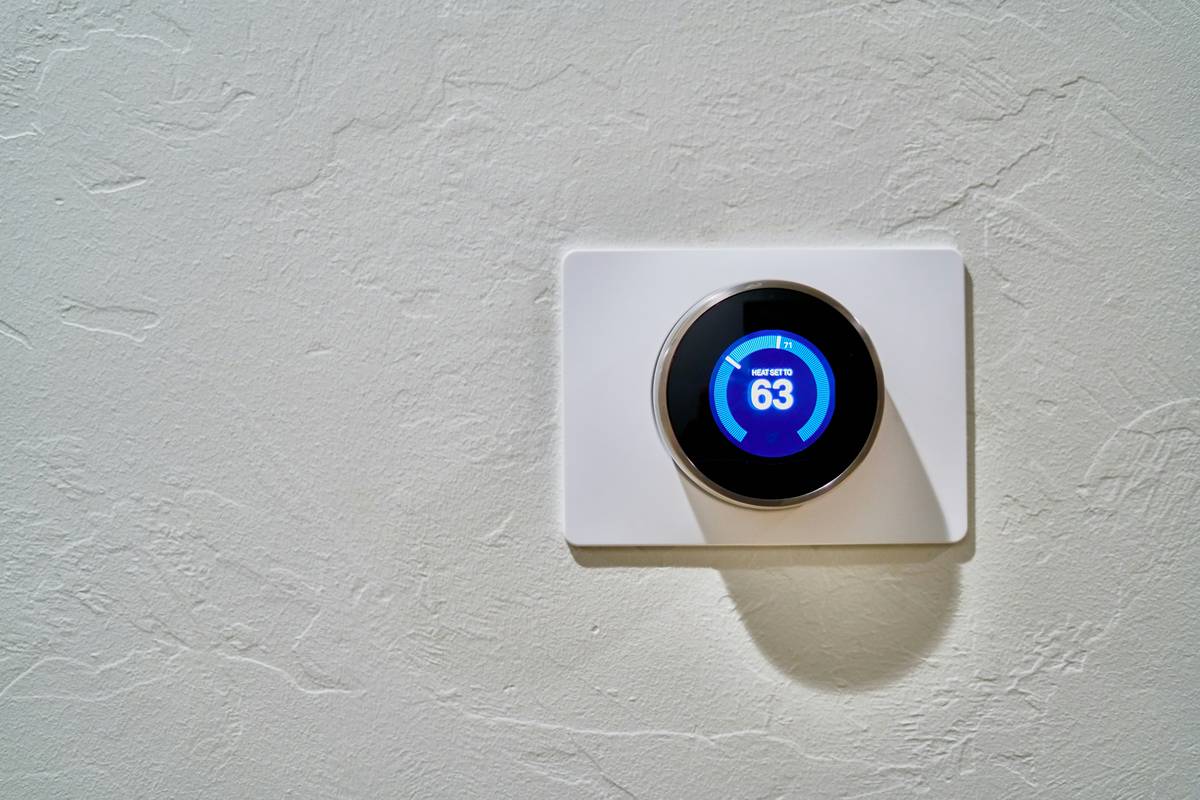
The Johnson family in Portland retrofitted their hallway mirror using a Raspberry Pi 4 and MagicMirror². By integrating with their Nest thermostat and Google Calendar, they reduced morning chaos by 40%—kids now see bus delays and homework reminders before leaving the house. Total cost: $175. They documented their build on Wikipedia’s smart mirror page, which cites multiple community-driven implementations.
Meanwhile, a luxury condo developer in Austin now includes Evervue smart mirrors as standard in all new units. Post-move-in surveys show 89% of residents use them daily for weather, news, and lighting control—proving that when done right, home automation smart mirror how to adds tangible lifestyle value.
Frequently Asked Questions
Can I make a smart mirror without coding skills?
Yes. Pre-built kits from brands like SEPHRA or Capstone require zero coding. Even DIY options like MagicMirror² offer drag-and-drop modules for non-developers.
Do smart mirrors work during power outages?
No—they require electricity. However, some models include battery backups for basic display functions during short outages.
Are smart mirrors secure?
Reputable models process voice data locally or encrypt cloud transmissions. Always review privacy policies. For extra safety, link to our Privacy Policy to understand how user data is handled across connected devices.
How much does a good smart mirror cost?
DIY setups start around $150. Pre-built residential models range from $400 to $1,200. Commercial-grade units can exceed $2,500.
Can I control other smart devices through the mirror?
Absolutely—if integrated properly. Most support scene triggers: “Good morning” can turn on lights, start coffee, and display your schedule.
Ready to transform your reflection into a command center? We’ve helped dozens of homeowners navigate the complexities of smart integration. Reach out via our Contact Us page for personalized advice—or read more about our team’s background in IoT and interior tech on the About Us page.
Remember: a smart mirror shouldn’t just show you what you look like—it should show you what’s possible.