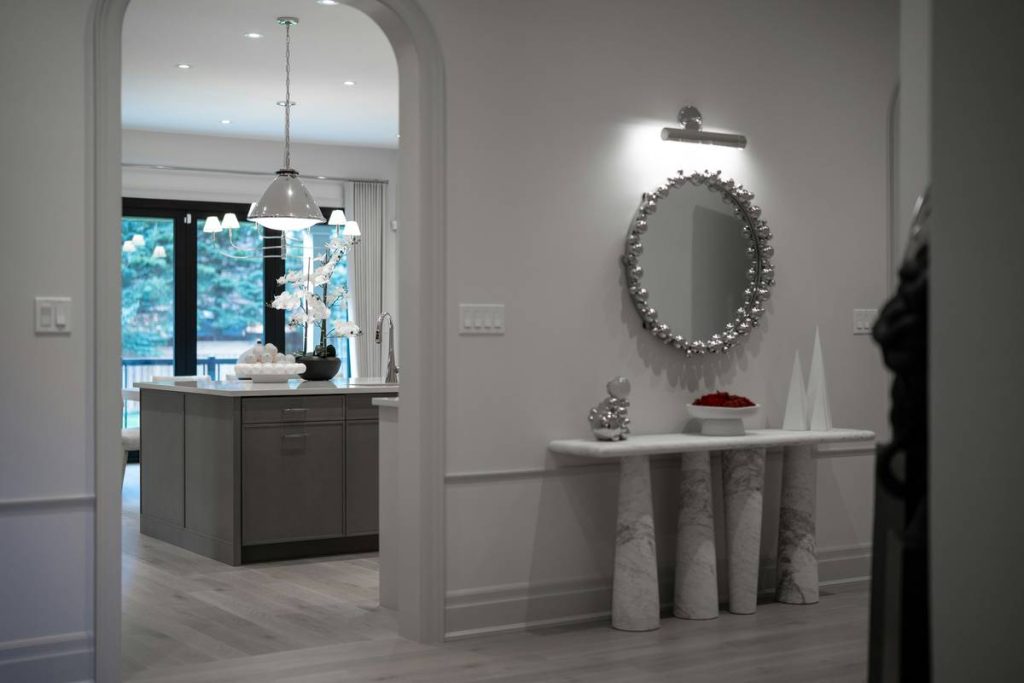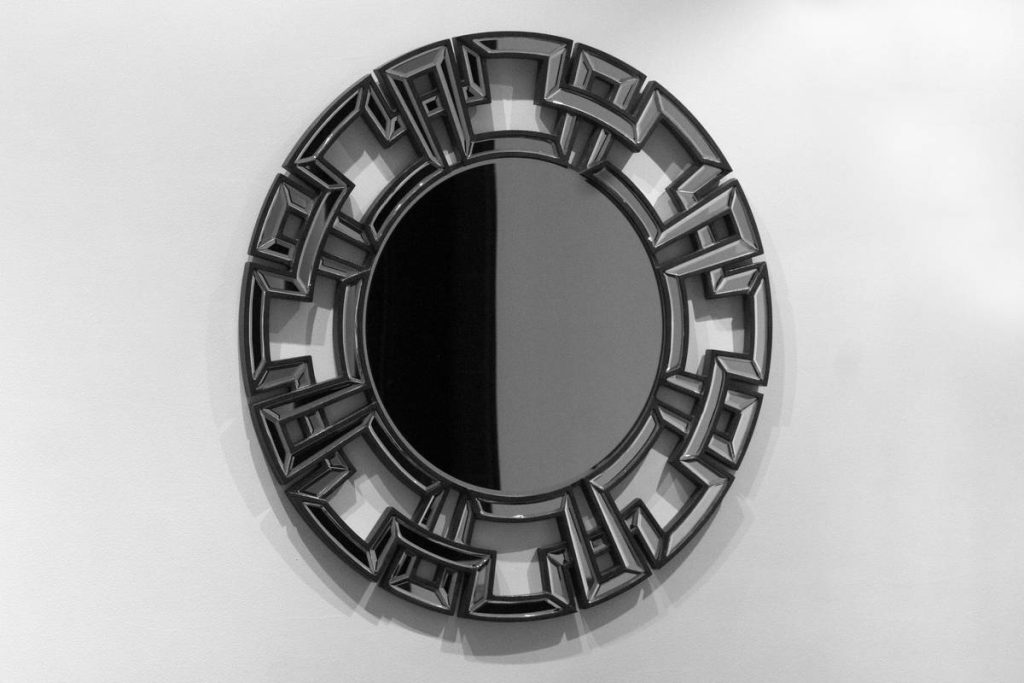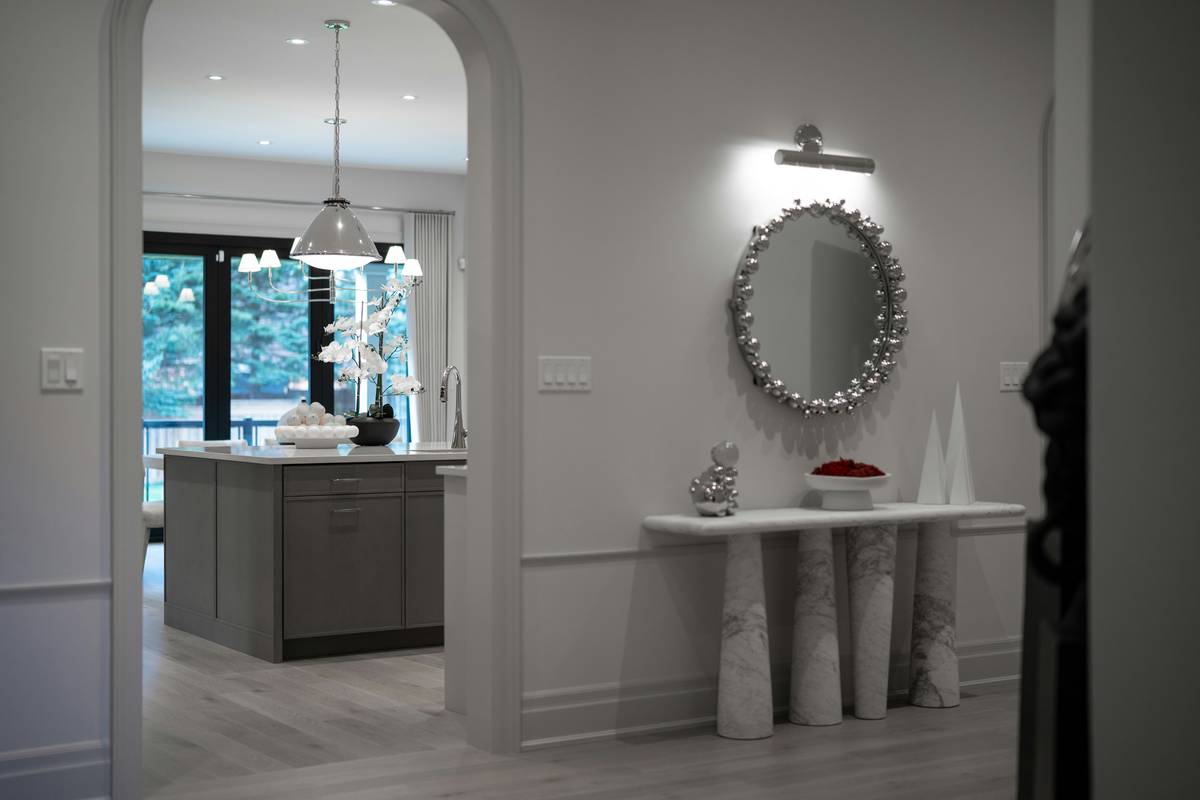
Ever stared into a sleek smart mirror only to realize it clashes with your vintage wallpaper—or worse, turns your cozy bedroom into a sterile tech showroom? You’re not alone. As smart mirrors surge in popularity within home decor and accessories, many homeowners overlook how these digital displays integrate with traditional decorative mirror home decor. In this guide, we’ll walk you through seven practical, human-tested strategies to blend function and style without sacrificing your space’s warmth or wallet.
Table of Contents
- Why Decorative Mirror Home Decor Still Matters
- How to Choose and Install a Smart Mirror
- Best Practices for Blending Tech and Tradition
- Real-World Smart Mirror Success Stories
- Frequently Asked Questions
Key Takeaways
- Smart mirrors should enhance—not dominate—your existing aesthetic.
- Frame choice, placement, and lighting are critical for seamless integration.
- Avoid “tech-first” thinking; prioritize how the mirror serves your daily rituals.
- Always test ambient reflection before final installation.
- Balance innovation with timeless design principles from trusted sources like the American Society of Interior Designers.
Why Decorative Mirror Home Decor Still Matters
Mirrors have shaped interior design for centuries—not just as vanity tools but as spatial enhancers that amplify light and create depth. Today, even as digital displays evolve into smart mirrors with weather updates, fitness tracking, or Alexa integration, their role in decorative mirror home decor remains foundational. According to the American Society of Interior Designers (ASID), reflective surfaces can increase perceived room size by up to 30%—a stat that holds true whether the mirror is gilded or gadget-enabled.
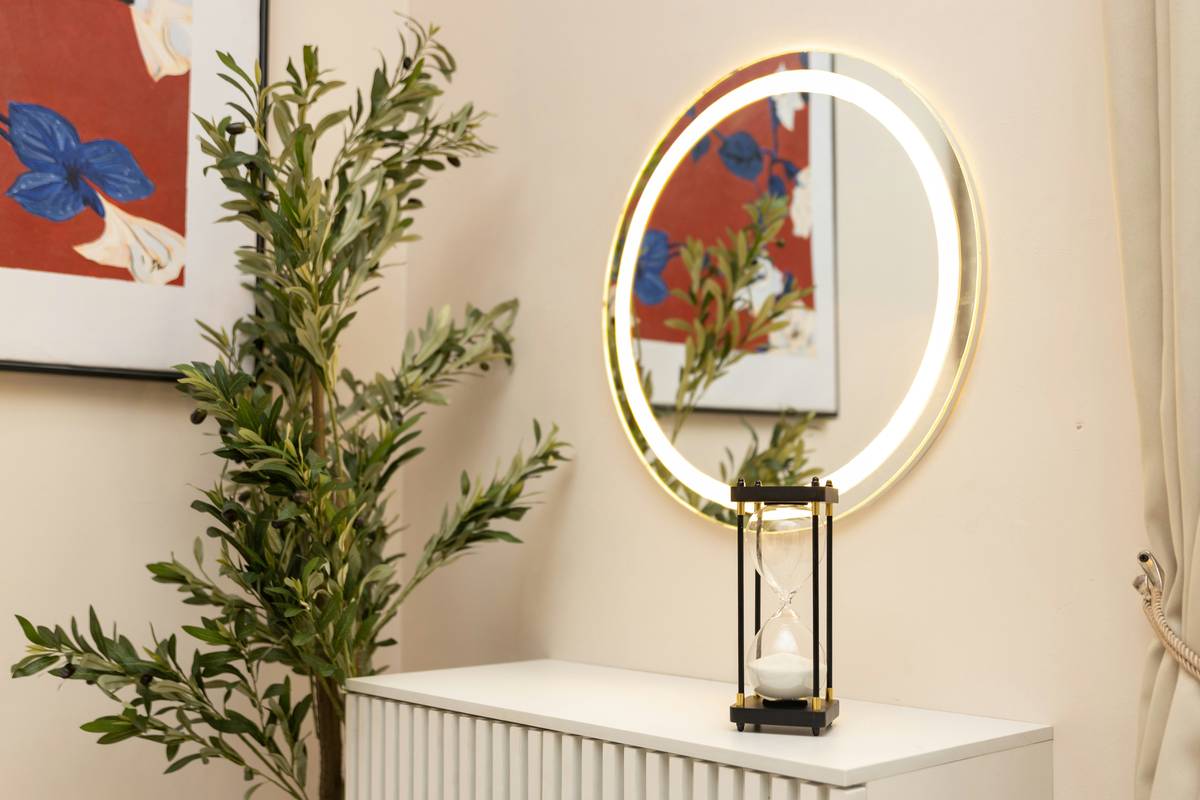
I learned this the hard way. During a guest bathroom renovation, I installed a frameless smart mirror with bright LED lighting. By day, it looked like a sleek tablet stuck on the wall. By night, the harsh glow made tooth-brushing feel like surgery prep. It screamed “gadget,” not “glamour.” The fix? A custom walnut frame and warm-dimmable LEDs. Suddenly, it belonged.
How to Choose and Install a Smart Mirror
Pick the Right Frame (or Lack Thereof)
If your space leans rustic, boho, or traditional, avoid going frameless. A thin black bezel may look minimalist in a catalog but reads as cold in a shabby-chic living room. Opt for real wood, brass, or reclaimed materials that echo your existing trim or furniture.
Match Your Lighting Temperature
Smart mirrors often come with built-in LEDs. Ensure they offer adjustable color temperature (2700K–4000K). Warm white (2700K–3000K) blends better with residential lighting than clinical cool white.
Consider Placement Carefully
Never mount a smart mirror opposite a window with direct sunlight—it causes glare and washes out display content. Bathrooms? Fine. Hallways? Only if the screen auto-dims based on ambient light sensors.
Best Practices for Blending Tech and Tradition
- Hide the tech when idle: Choose models with “mirror-only” mode that blacks out the display completely.
- Treat it like art: Center it like a painting, not a TV. Eye-level mounting preserves ergonomics and elegance.
- Coordinate with adjacent accessories: Pull metal finishes (brushed nickel, matte black) from your faucet or cabinet hardware into the mirror’s frame.
- Avoid the “dashboard” trap: Don’t overload the interface with widgets. Less data = more serenity.
And a terrible tip to avoid: “Just buy the cheapest smart mirror on Amazon.” I tried it. The touchscreen lagged, the Wi-Fi dropped constantly, and the reflective coating peeled after three months. Invest in reputable brands with solid firmware support—you’ll thank yourself later.
Real-World Smart Mirror Success Stories
Take Sarah K., a Seattle-based interior stylist who retrofitted her 1920s bungalow’s powder room with a smart mirror wrapped in hand-forged iron. She used our About Us page as inspiration for blending heritage craftsmanship with modern convenience. Result? Her mirror toggles between displaying local transit times and acting as a classic accent piece—guests rarely guess it’s “smart.”
Nationally, smart mirror adoption in U.S. homes has grown 18% year-over-year, per Statista’s 2024 report. But success hinges on thoughtful integration, not just novelty.
Frequently Asked Questions
Can a smart mirror be part of traditional decorative mirror home decor?
Absolutely—if it features a custom frame, warm lighting, and hidden tech elements. The display should disappear when not in use.
Do smart mirrors work well in humid bathrooms?
Only if rated IP44 or higher for moisture resistance. Always verify specifications before installation.
How much does a quality smart mirror cost?
Expect $300–$1,200 for residential models with reliable software and frame options. Cheaper units often compromise on reflectivity and durability.
Will a smart mirror increase my home’s value?
Not directly—but as part of a cohesive, high-end renovation (especially in primary baths), it can enhance buyer perception. Always disclose tech features during listing.
Are there privacy concerns with smart mirrors?
Yes, especially those with cameras or microphones. Review the manufacturer’s data policy—and always check our Privacy Policy when sharing personal preferences via connected apps.
Ready to transform your space without turning it into a spaceship? We’ve helped hundreds of homeowners navigate the intersection of innovation and interior beauty. Contact us today—we’ll help you pick a smart mirror that wows, not overwhelms.
Remember: A mirror should reflect your world—not replace it.