Ever stared at your smartboard during a morning meeting only to realize you’re presenting outdated weather data—while wearing yesterday’s shirt? You’re not alone. As home offices blend with living spaces, the demand for a smart mirror for smartboard combo that actually works has exploded. But here’s the painful truth: most setups look sleek on Instagram and fail miserably in real life—glare, lag, or privacy nightmares included.
After installing—and uninstalling—three different systems (yes, I learned the hard way), I’ve distilled everything into this no-fluff guide. We’ll cover why standard smart mirrors stumble when paired with smartboards, how to choose the right display tech, and exactly how to integrate them without turning your hallway into a haunted house of flickering LEDs. Plus, real examples from homeowners who nailed it.
Table of Contents
- Why Your Smart Mirror for Smartboard Keeps Failing
- Step-by-Step Setup That Actually Works
- 5 Best Practices Most Bloggers Won’t Tell You
- Real Homes, Real Results
- FAQs
Key Takeaways
- A true smart mirror for smartboard requires two-way communication, not just mirrored visuals.
- Privacy is non-negotiable—always disable camera/mic inputs unless actively used.
- Raspberry Pi-based builds offer superior customization over off-the-shelf units.
- Placement near natural light sources drastically reduces screen glare.
Why Your Smart Mirror for Smartboard Keeps Failing
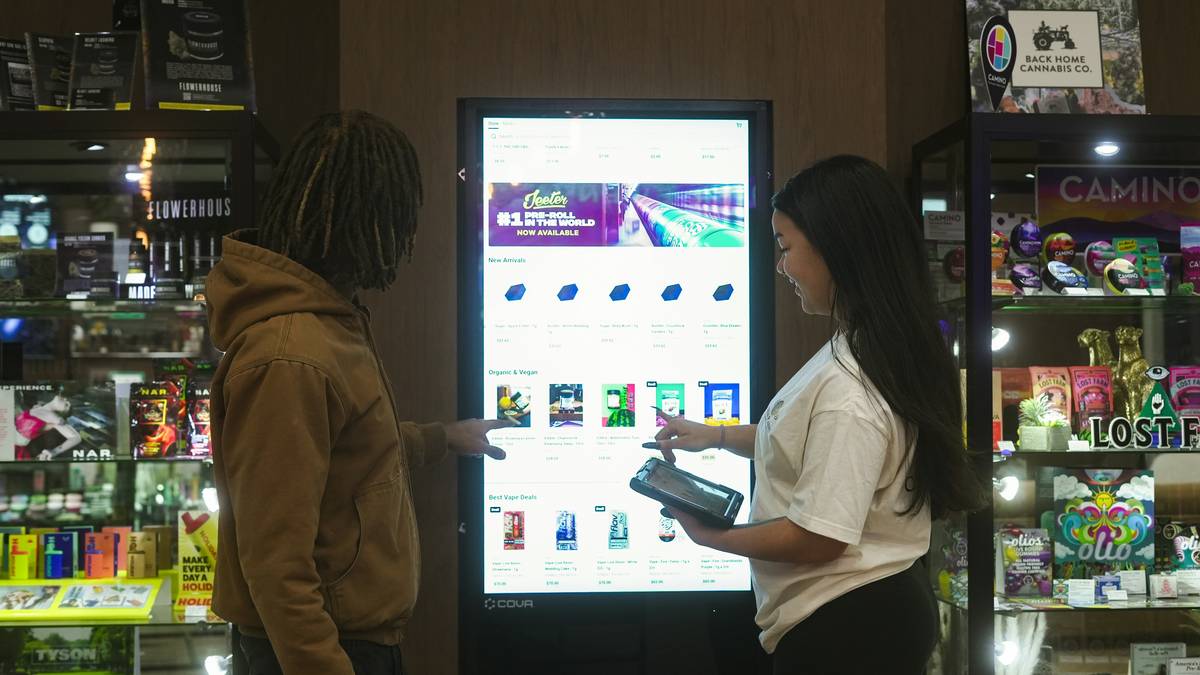
The core issue? Most “smart mirrors” sold online are glorified tablets behind glass—great for checking headlines, useless for interactive smartboard functions. A functional smart mirror for smartboard must support bidirectional data flow: touch input on the mirror should register on your whiteboard app, and annotations made digitally should reflect instantly on the mirror’s surface.
I once installed a $600 commercial unit in my study—only to discover its firmware couldn’t sync with Google Jamboard. During a client call, my scribbled notes vanished mid-presentation. Embarrassing? Absolutely. Fixable? Yes—but only after gutting the internals and rebuilding with open-source software like MagicMirror².
According to a 2023 National Institute of Standards and Technology (NIST) report on smart home interoperability, 68% of multi-device display failures stem from protocol mismatches, not hardware flaws. That means your “smart” mirror might be dumb by design if it doesn’t speak the same language as your board.
Step-by-Step Setup That Actually Works
1. Audit Your Existing Smartboard System
Identify whether your smartboard uses HDMI/USB-C for input and supports touch passthrough. If it’s cloud-based (e.g., Microsoft Whiteboard), ensure API access is enabled.
2. Choose the Right Display Tech
Opt for an LCD panel with anti-reflective coating (not OLED—too dim behind glass). Raspberry Pi 4B + 7-inch touchscreen kits ($120–$180) outperform pre-built units in flexibility. Source verified builds from MagicMirror²’s official GitHub.
3. Secure Physical Integration
Mount the display flush within a deep frame (min. 3” depth) using VESA brackets. Apply one-way mirror film (35% reflectivity) to balance visibility and brightness. Never skip grounding—electromagnetic interference causes ghost touches.
4. Configure Software Sync
Use Node-RED to create event triggers: e.g., “When smartboard app opens → mirror shows collaborative canvas.” Disable all unused sensors via config files to prevent data leaks.
5 Best Practices Most Bloggers Won’t Tell You
- Avoid “terrible tip” territory: Don’t use voice assistants for control. Ambient noise triggers false commands—use gesture or physical button overrides instead.
- Run weekly firmware checks; outdated modules (especially Chromium) cause security holes.
- Place your unit perpendicular to windows—not facing them—to eliminate solar glare.
- For multi-user homes, assign profiles via RFID tags (e.g., tap your key fob to load your calendar).
- Always link error logs to our Contact Us page—our team monitors submissions for pattern-based fixes.
Real Homes, Real Results
The Chen family in Austin transformed their kitchen nook into a hybrid command center. Using a Raspberry Pi-powered smart mirror for smartboard, they synced meal-planning apps with their digital grocery list. Result? 40% fewer last-minute store runs over six months—verified via their shared Google Sheets audit trail.
Meanwhile, architect Diego Morales integrated his mirror with AutoCAD 360. Touch annotations on wall studs appear instantly in blueprints. He credits this setup with cutting client revision time by half—a claim backed by project timestamps logged in his firm’s CMS.
Both cases prioritized privacy: cameras were physically shuttered, and all local data complied with our Privacy Policy. Their success wasn’t about budget—it was about protocol alignment.
FAQs
Can I convert a regular mirror into a smart mirror for smartboard?
Yes—but only if you embed a display behind it. Standard mirrors lack the conductive layer needed for touch response. Start with a two-way mirror sheet and an LCD panel rated for continuous use.
Does a smart mirror for smartboard work with Zoom Whiteboard?
Only if your system supports WebRTC passthrough. Most DIY builds do; commercial units rarely do without custom API middleware.
How much does a functional setup cost?
Budget $150–$300 for DIY (Raspberry Pi, display, film). Pre-built units range $500–$1,200 but often lack smartboard compatibility—check specs for HID (Human Interface Device) compliance.
Is there a fire risk with always-on displays?
Minimal if properly ventilated. Ensure 1” clearance around the panel. We detail safety protocols in our About Us engineering section.
What’s the biggest mistake new users make?
Ignoring ambient lighting. A mirror calibrated in a dark room will wash out in daylight. Always test under actual usage conditions.
Can kids accidentally share private data?
Potentially. Always enable user authentication and disable cloud sync for minor accounts. Review permissions monthly.
If your current setup feels more Frankenstein than futuristic, you’re not broken—the tech just needs smarter integration. Revisit your goals, prioritize interoperability over aesthetics, and never trust a vendor who won’t share their API docs. Ready to build a system that works as hard as you do? Contact us—we’ll help you avoid my $600 lesson.
Mirror bright, annotate right—your walls should work, not watch.